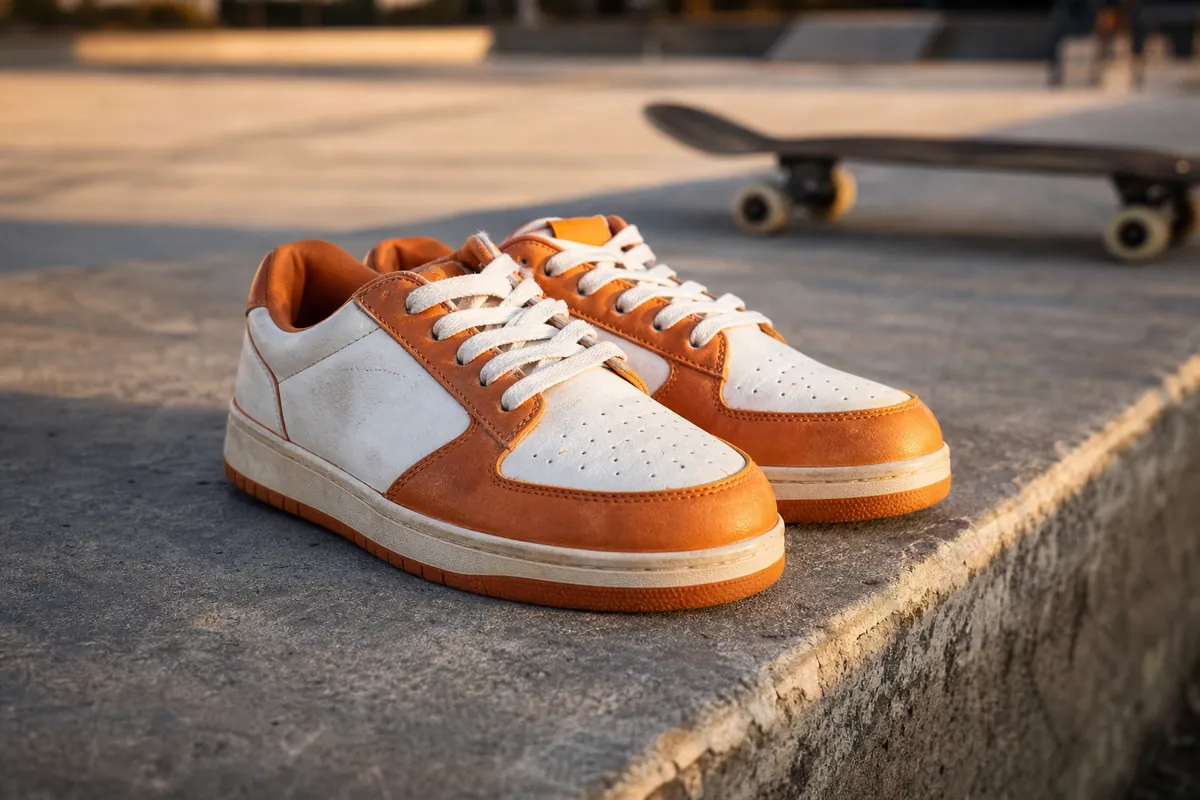
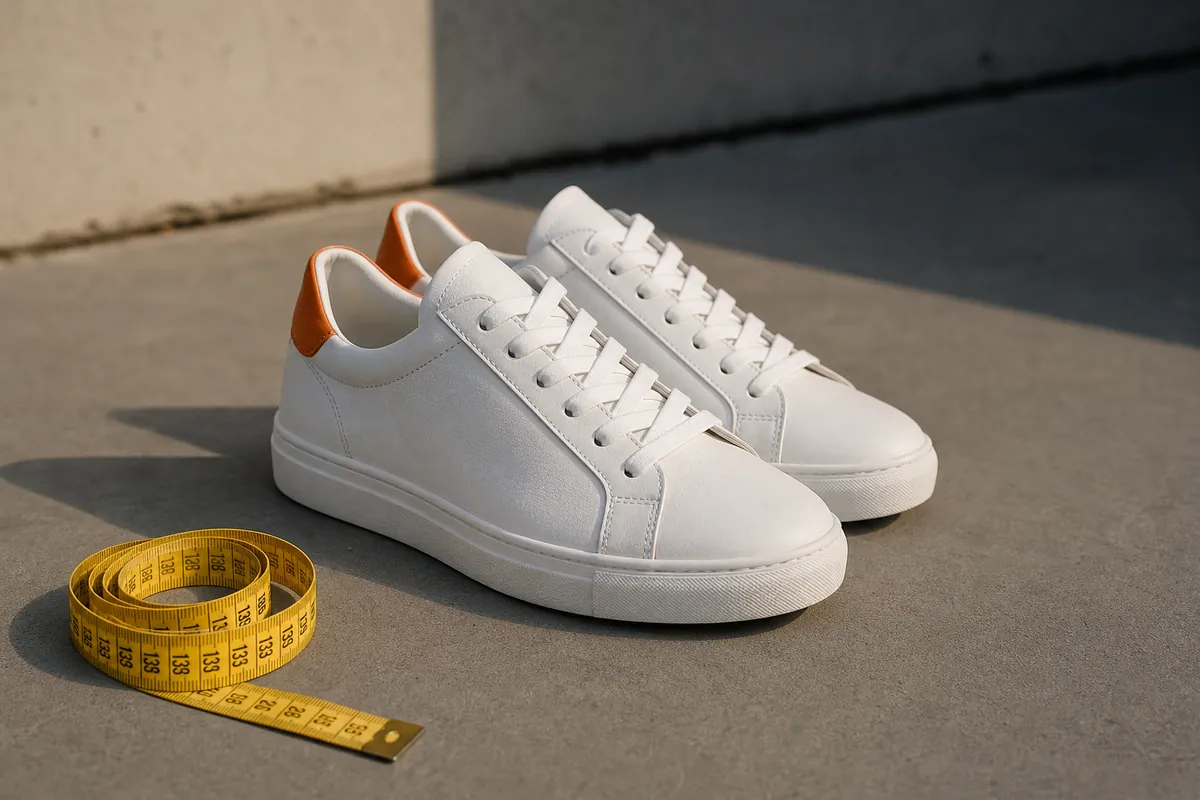
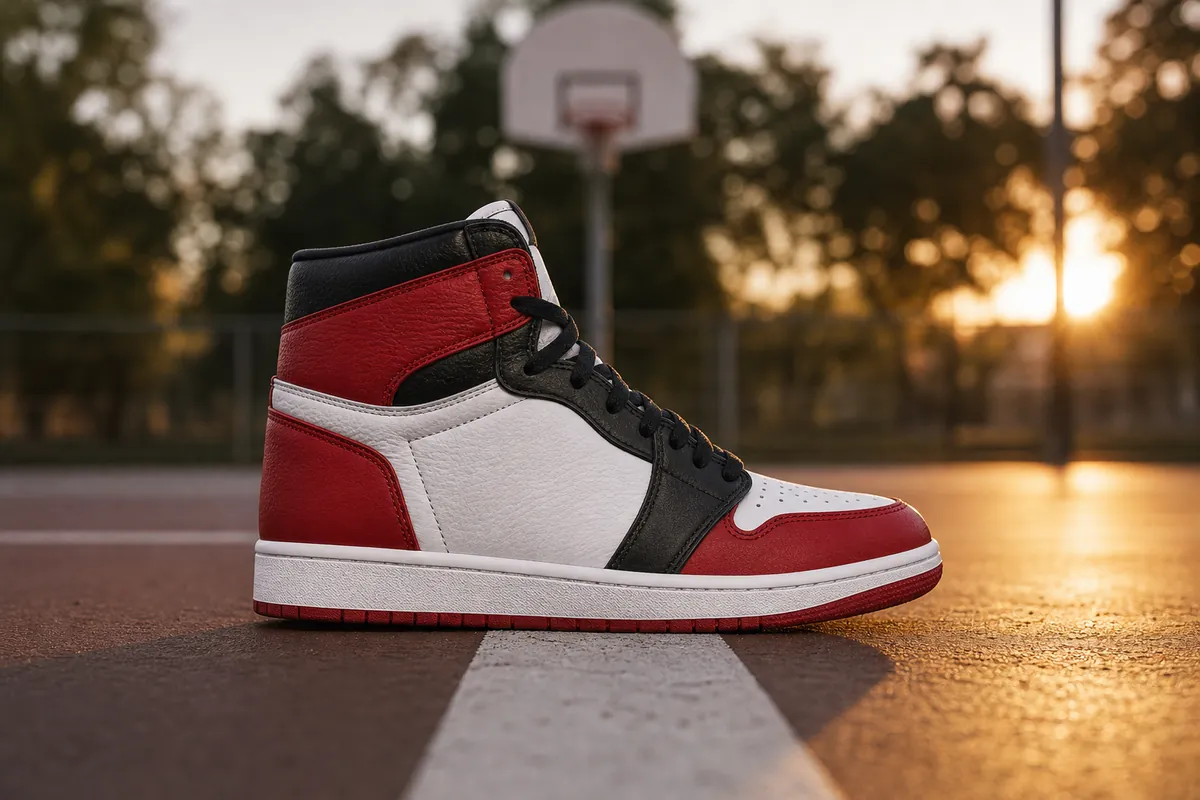
Nike SB Dunk vs Dunk Sizing: Do They Fit the Same?
Regular Dunks fit true to size, but the padded SB Dunk Low runs about half a size snugger. Here is what changes, who should size up, and what the SB Dunk High does.
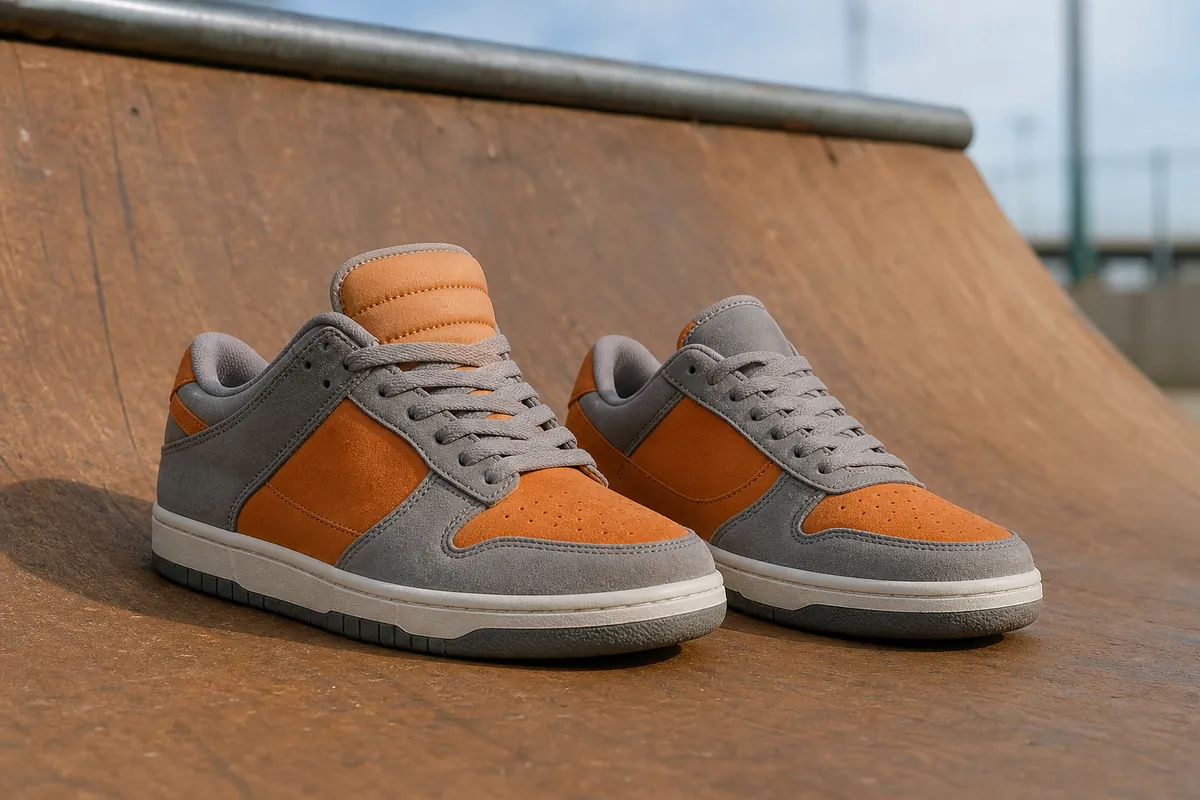
Quick answer
No. The regular Nike Dunk Low fits true to size, while the SB Dunk Low fits about half a size snugger because of its thick tongue and extra padding. Go half a size up in the SB Dunk Low unless your feet are narrow. The SB Dunk High fits true to size.
- Fit
- Depends on the model
- Width
- Varies
- Our advice
- Regular Dunk Low: your usual Nike size. SB Dunk Low: half a size up unless narrow. SB Dunk High: true to size.
No, the two do not fit the same, though the difference is small. A regular Nike Dunk Low runs true to size. The SB Dunk Low runs about half a size snugger, so most people should go half a size up in the SB. Narrow feet can often stay at their normal size.
The SB Dunk High is the exception to the exception. It fits like the regular Dunk, true to size. Below we explain where the extra tightness comes from, which feet it affects, and how to pick the right number if you are buying both models.
What actually makes the SB feel tighter
On paper the two shoes look almost identical, and the outsoles are close to the same length. The difference is what is stacked inside the shape.
- The tongue. SB Dunks use a thick, puffy tongue, designed to protect the top of the foot during skating. That padding takes up volume across the instep.
- The collar. The ankle opening is padded more heavily, so the heel sits in a deeper, firmer pocket.
- The insole. SB models carry a Zoom Air unit, which makes the footbed feel denser than the flatter insole in a standard Dunk.
None of these change the printed length. They change how much free space you have, and the place you notice it first is the forefoot and the little-toe side.
Where the fit differs, area by area
Toe box
The regular Dunk Low has the roomier toe box, especially in height above the toes. In the SB Dunk Low, the thick tongue and the reinforced front panel combine to feel lower. People with a wider forefoot often report pressure at the pinky toe at their normal size.
Midfoot
The SB wraps the middle of the foot more closely. Many wearers lace it looser than they would a Dunk. If you like tight lacing across the instep, the SB can feel restrictive quickly.
Heel
The heel is where the SB wins. The extra padding grips better, and walking leads to less slip. Skaters value this, and so do plenty of people who just hate heel lift.
Runner's tip: If your normal size feels right everywhere except the pinky toe, that is the typical SB Dunk Low sign. Half a size up fixes it without making the heel loose, because the padded collar keeps your heel in place.
Which size to order
This list sums up the starting points, assuming your usual Dunk Low size is a reliable true-to-size reference.
- Dunk Low to SB Dunk Low: half a size up for average and wide feet. Narrow feet may stay at the same number.
- Dunk Low to SB Dunk High: same size. Reviewers report the High Pro fits like a normal Dunk.
- SB Dunk Low to Dunk High: take the Dunk High at true to size, half a size lower than your SB.
So someone who wears a men's 9 in a Dunk Low should try a 9.5 in the SB Dunk Low and a 9 in the SB Dunk High. Our Nike Dunk sizing guide covers the general Dunk range, and it agrees with this advice.
Wide, narrow and high-volume feet
Wide feet
If your forefoot is wide, the regular Dunk Low is the easier choice. You can wear it true to size and loosen the laces if you need more room. In the SB Dunk Low, half a size up is still the minimum we would suggest, and trying them on first is smart.
Narrow feet
Narrow-footed buyers often find the SB Dunk Low fits true to size, because the tightness is about volume and forefoot width, not length. They also benefit most from the tight heel hold.
High instep
A high instep compounds the tongue effect. The padded tongue sits directly on top of it, so go up half a size and use the lacing to adjust pressure.
Special editions: SP, QS and collabs
Dunk Low SP releases are generally described as roomier in the forefoot than the standard Dunk Low, while QS versions tend to be a bit snugger. Both are variations on a shoe that already fits true to size, so they only matter if you are choosing between two sizes. SB collaborations share the base SB construction, which means the same half-size-up logic applies.
Release year and factory can move things by a few millimeters, so treat these notes as tendencies rather than guarantees.
Lacing and sock tricks that change the fit
Small adjustments can matter as much as a half size, which is useful when you are stuck with a pair you cannot return.
- Skip the top eyelet pressure. Because the SB tongue is thick, tightening the last two eyelets pushes padding into the instep. Loosen them and the shoe feels half a size bigger.
- Try a thinner sock. A skate sock with a heavy pile can use up the room you bought. Thin athletic socks restore it.
- Swap the insole carefully. A flat, thin insole gives you a little more volume than the stock Zoom Air footbed. Do this only if you know why, since it changes the shoe's feel.
- Use the heel lock. If you do go up half a size, running the top eyelets through a heel lock keeps the heel from sliding.
Skating versus walking around
If you skate, the snug fit is a feature. A tight, padded shoe gives board feel and heel hold, and skaters often prefer to stay at true size and let the padding break in. If you wear SBs as casual shoes, comfort usually wins, and half a size up makes more sense. This split explains why you will see two opposite recommendations in forums: they come from two different kinds of wearers.
How to test your size at home
When the shoes arrive, put them on with the socks you usually wear and lace them the way you normally do. Stand up, then press your thumb on the front of the shoe. You want roughly a thumb's width between the longest toe and the end. Walk around for ten minutes and pay attention to the outer edge of the little toe. If that spot already feels pinched, the pair will not get better, and you should swap for the next half size.
Break-in
The regular Dunk leather softens gradually, and most people find it comfortable after a few wears. The SB takes a little longer, because the padding is dense and the Zoom Air footbed starts firm. If a half-size-up SB feels snug at first, give it a week before you decide, but do not expect padding to shrink out of the way.
Comparing with other Nike shoes
The Dunk is a good reference point for the rest of the brand. The Air Force 1 runs about half a size bigger than a Dunk, so a men's 9 in the Dunk Low and a 9.5 in the SB Dunk Low both point to about an 8.5 in the AF1. Our Dunk vs Air Force 1 comparison goes through the maths. Against the Jordan 1, which is another true-to-size model, you can read the Dunk vs Air Jordan 1 comparison.
Nike men's size chart
Match your measured foot to a row. Foot length is the real length of the foot for that size, while CM (JP) is the number on the box, which is longer than the foot.
| US men's | UK | EU | Foot length (cm) | CM (JP) |
|---|---|---|---|---|
| 6 | 5.5 | 38.5 | 23.7 | 24 |
| 6.5 | 6 | 39 | 24.1 | 24.5 |
| 7 | 6 | 40 | 24.6 | 25 |
| 7.5 | 6.5 | 40.5 | 24.9 | 25.5 |
| 8 | 7 | 41 | 25.4 | 26 |
| 8.5 | 7.5 | 42 | 25.9 | 26.5 |
| 9 | 8 | 42.5 | 26.2 | 27 |
| 9.5 | 8.5 | 43 | 26.7 | 27.5 |
| 10 | 9 | 44 | 27.1 | 28 |
| 10.5 | 9.5 | 44.5 | 27.5 | 28.5 |
| 11 | 10 | 45 | 27.9 | 29 |
| 11.5 | 10.5 | 45.5 | 28.4 | 29.5 |
| 12 | 11 | 46 | 28.7 | 30 |
| 12.5 | 11.5 | 47 | 29.2 | 30.5 |
| 13 | 12 | 47.5 | 29.7 | 31 |
Example: a 26.7 cm foot is a men's US 9.5 on the chart. That is the size to try in an SB Dunk Low if your measurement puts you at a 9 in a standard Dunk. If you are not sure how to measure, see our foot measuring guide, or use the shoe size calculator.
Note: These recommendations reflect the common consensus among wearers and our own comparison of published fit notes. They are not lab measurements, and individual feet vary.
Buying used or resale pairs
Secondhand SBs add one more variable: the padding on a worn pair has already compressed. A used SB Dunk Low can feel closer to a regular Dunk than a new pair does, so a half size up on a deadstock pair may be too much on a well-worn one. Ask the seller for the insole length in centimeters if they can measure it, and compare that with your own foot, not with the number printed on the tag.
Our recommendation
Buy the regular Dunk Low or Dunk High at your normal Nike size. For the SB Dunk Low, go up half a size unless your feet are narrow. For the SB Dunk High, buy true to size. If you plan to own both an SB Low and a regular Low, expect to own two different numbers, and do not be surprised when your pairs on the shelf do not match.
If you are between sizes with an SB Dunk Low, take the larger one. Padding compresses a little over time, but a pinched pinky toe does not heal itself.
Frequently asked questions
Should I go up half a size in SB Dunks?
In the SB Dunk Low, yes for most people. The thick tongue, padded collar and Zoom Air insole reduce interior room, so average and wide feet usually want half a size up. Narrow feet can stay at their normal Nike size.
Is the SB Dunk High the same fit as the SB Dunk Low?
No. The SB Dunk High generally fits true to size, in line with the regular Dunk. The Low is the model that runs about half a size snugger, so do not carry your Low size straight over to the High.
Why do SB Dunks have a thicker tongue?
The SB line is built for skateboarding, so the tongue and collar carry extra padding to protect the foot and hold the heel. That padding is what takes up room inside and makes the shoe feel tighter than a regular Dunk.
I wear a 10 in the Dunk Low. What size SB Dunk Low?
Start with a 10.5. The regular Dunk Low runs true to size, and the SB Dunk Low runs about half a size snug. If you have narrow feet, a 10 may still work, so try both if returns are free.
Do Dunk Low SP and QS fit like standard Dunks?
Roughly. Dunk Low SP is generally described as a little roomier in the forefoot, and QS as a little snugger. Both stay close to true to size, so use your normal Dunk Low size and adjust only if you are between sizes.