L.L.Bean Boot Sizing: Do Bean Boots Run Big? Lined vs Unlined
Unlined Bean Boots run a full size big, lined ones sit closer to your regular size, and there are no half sizes. Here is how to pick, model by model.
Quick answer
Unlined L.L.Bean Bean Boots run large, so most people order one full size below their usual size, and half-size wearers drop one and a half sizes to the whole size below (a 9.5 orders an 8). Lined and insulated models are closer to true to size, or half a size down. They come in whole sizes only. Test with thick wool socks.
- Fit
- Runs large
- Width
- Roomy
- Our advice
- Go one full size down in unlined Bean Boots; lined models are your regular size or half down.
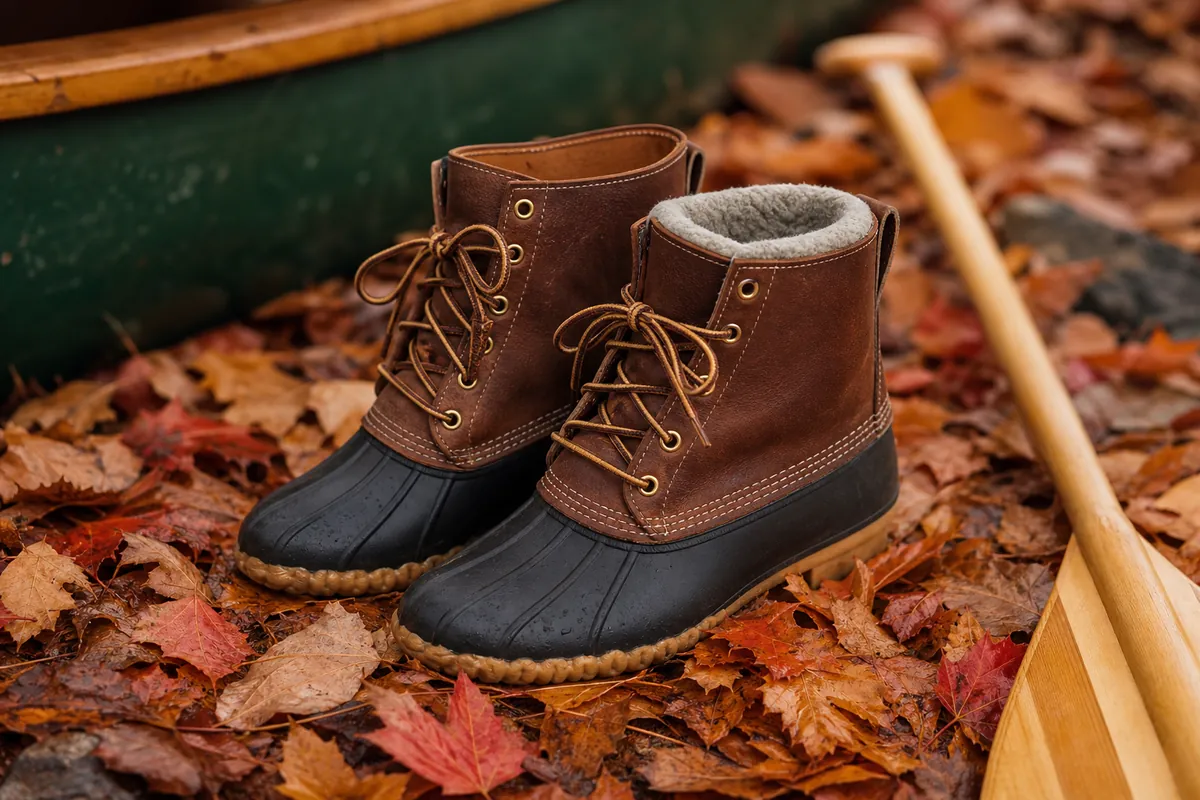
Bean Boots run large, and the usual fix is to go down a full size from your normal size. That is the advice L.L.Bean itself gives for its unlined rubber-bottom boots, and it is where most owners land. Lined and insulated models are the exception: those are close to your regular size, or at most half a size down.
The complication is that Bean Boots come in whole sizes only, and the right number depends on the model, the lining and the socks you plan to wear. Here is how to turn your sneaker size or Brannock size into an order, model by model.
The short rule for the classic boot
The classic Bean Boot is a leather-topped rubber boot with no lining. It is cut roomy because it is meant to be worn over thick wool socks, with air space around the foot. In that boot, take one full size below your usual number. If you wear a men's 10 in Nike or Adidas running shoes, start with a 9. If you wear a 9 or 9.5, an 8 is the usual landing spot.
Half-size wearers are the awkward group. Because there is no half size to order, L.L.Bean's guidance, as reported by size-chart sites, is to drop by one and a half sizes and round to the whole number below. A true 9.5 therefore goes to an 8, not a 9. Ordering the 9 is the common mistake, and it gives you a boot that slides on the heel.
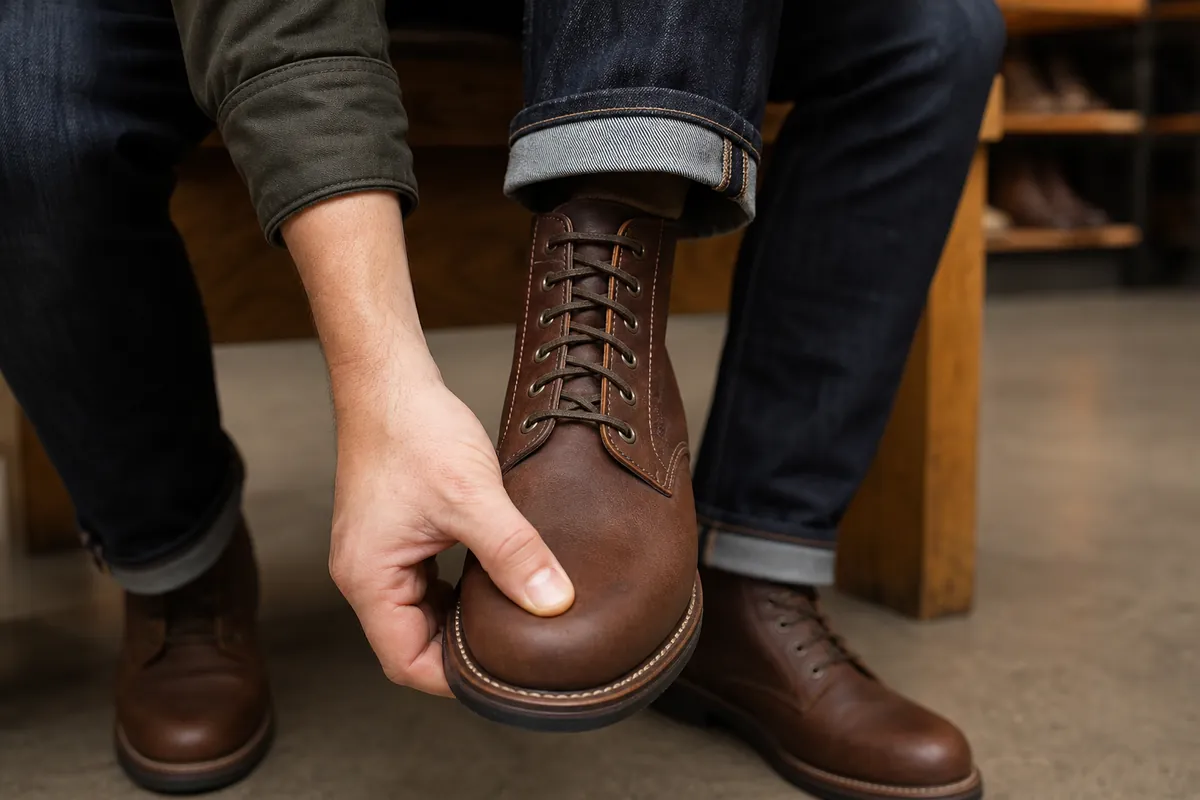
Fit tip: Test the boot with the thickest sock you actually own, laced snugly, and walk up and down a flight of stairs. The heel should lift only slightly. If it slides, you went one size too big.
Lined vs unlined: the part sources disagree on
A lining takes up space. In a shearling, fleece or insulated boot, the foot sits in the boot with less air around it, so the shell can be closer to your real size. That much is agreed. What is not agreed is the exact number.
One reading says lined boots should be ordered in your regular size, and warns against sizing down. Another section of the same source says lined boots are true to size, or half a size down. Model-by-model advice floating around puts the fleece-lined front-zip boot and the shearling-lined tall boot at half a size down, and the GORE-TEX insulated boot at your regular size. Our reading: for a lined boot, begin at your regular size and go half a size down only if your sneaker size sits at the top of its range or you wear thin socks.
Because the shell geometry differs by model, treat any single number as a starting point. If you are between two sizes and cannot try them on, phone L.L.Bean. Their customer service is often cited as willing to advise on borderline sizes.
Model-by-model guide
The table below collects commonly cited advice for popular models. It is guidance from sizing sources and owner reports, not an official L.L.Bean chart, so check the product page for the current note before you order.
| Model | Lining | Common advice |
|---|---|---|
| Bean Boot 8 inch | Unlined | One full size down |
| Rubber Moc and Canvas Rubber Moc | Unlined | One full size down |
| 6.5 inch Chelsea | Unlined | One full size down |
| Gumshoes | Unlined | One full size down |
| 8 inch Bison | Unlined | One full size down |
| 8 inch Fleece-Lined, front zip | Fleece | Half size down |
| 10 inch Shearling-Lined | Shearling | Half size down |
| 10 inch Engineer Buckle, flannel-lined | Flannel | Half size down |
| 8 inch GORE-TEX, insulated | Insulated | Regular size |
| Cresta II, Access, Trailfinder | Hiking boots | Regular size |
| Storm Chaser, Stonington, Portland, Bucksport, Ultralight | Various | Regular size |
| Dirigo | Varies | Half size up |
| Maine | Varies | Unclear; owners report sizing up or down |
Notice the pattern. The rubber-bottom, unlined models are the ones that run big. Boots built on a conventional hiking or dress last, such as the Stonington or Trailfinder, follow normal shoe logic and sit at your usual size. If you want a broader look at how boots should feel, see how should boots fit.
Socks decide the last half size
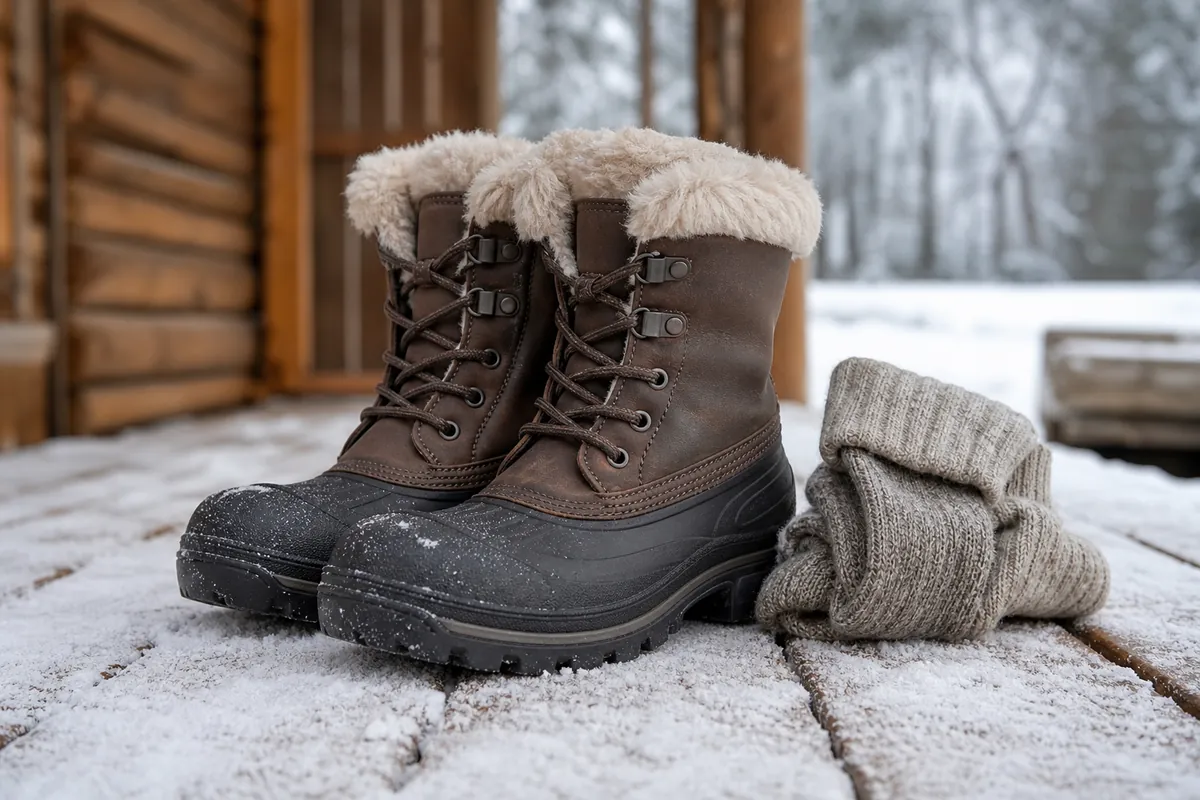
Because the unlined boot is designed around thick socks, the right size depends on what you put in it. If you will wear heavy wool or a wool-blend boot sock, the full-size reduction is usually correct. If you plan to wear light or midweight socks, the reduction is still advised, but you may feel the extra room around the toes and the heel.
Avoid cotton, which holds moisture and chills the foot. Wool or synthetic socks are the usual recommendation. Adding a thicker insole also takes up volume, so test with it in place. For lined boots, everyday socks are fine when you size, since the lining is already doing part of the work of filling the boot.
Narrow, medium and wide
Bean Boots are offered in narrow, medium and wide for many models. Medium is the default and is already generous. People with wide feet or big calves tend to find the roomy cut an advantage, and many get by in medium. Skinny feet and slim ankles sometimes see a gap at the opening even with the laces pulled tight, and a narrow width or a thicker sock helps there.
If you wear a wide in sneakers, try medium first in the Bean Boot, and be wary of going up a size for width. Extra length makes the heel slip, and slipping is the problem this boot is already prone to. For the width letters, see the shoe width chart.
Using the standard chart
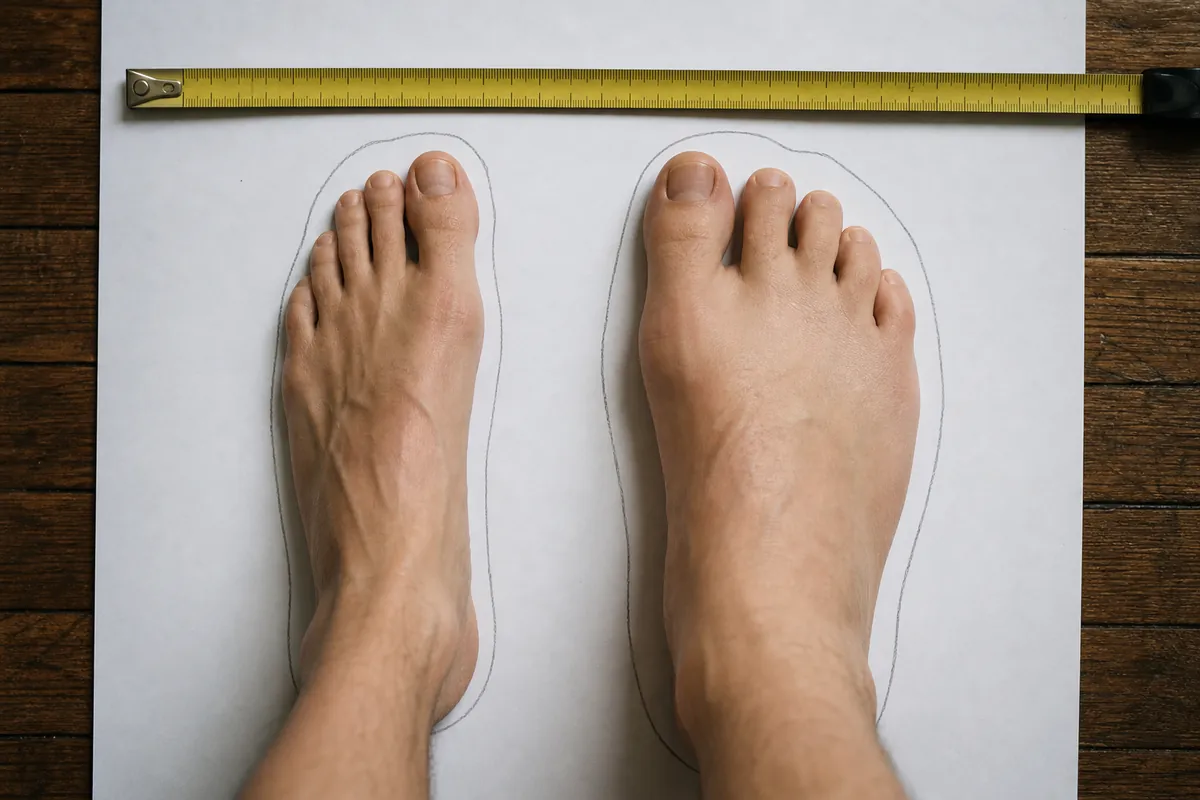
L.L.Bean does not use a special scale: the size on the box is a US size. That means you can find your anchor on the standard chart and then apply the adjustments above. The table shows men's sizes with the actual foot length, which is what you should compare against a Brannock measurement.
| US men's | UK | EU | Foot length (cm) | CM (JP) |
|---|---|---|---|---|
| 7 | 6 | 40 | 24.6 | 25 |
| 8 | 7 | 41 | 25.4 | 26 |
| 8.5 | 7.5 | 42 | 25.9 | 26.5 |
| 9 | 8 | 42.5 | 26.2 | 27 |
| 9.5 | 8.5 | 43 | 26.7 | 27.5 |
| 10 | 9 | 44 | 27.1 | 28 |
| 10.5 | 9.5 | 44.5 | 27.5 | 28.5 |
| 11 | 10 | 45 | 27.9 | 29 |
| 12 | 11 | 46 | 28.7 | 30 |
An example. A foot measuring 27.1 cm is a men's US 10 on this chart. For the classic unlined Bean Boot, you would order a 9. For a fleece-lined model, you would test a 9.5, which does not exist, so you would pick between 9 and 10 and lean on your sock thickness. Rounding is where the whole-size limit hurts.
Women's and kids' sizes
Women's orders follow the same logic. A women's size is, as always, shifted from the men's number, so if you are unsure whether to shop the men's or women's range, read men's to women's shoe size. Many women buy the men's boot because it comes in more models, and in that case they subtract the usual 1.5 from a women's number and then apply the full-size drop for the unlined model.
For children, the same roominess applies, with an added reason to avoid overbuying: a boot that is too long makes small feet stumble in mud and snow. Measure the foot and leave about a thumb's width of room with the socks on.
Bean Boots against other rubber boots
If you already own another rubber or duck boot, use it as a reference but do not copy its size blindly. Hunter rain boots, for example, are cut on a different last and are sized in UK numbers, so the same person can need a different number in each; our Hunter boot sizing guide covers that. Insulated pac boots and heavy winter boots tend to be bought bigger still, as explained in how should winter boots fit.
The reason Bean Boots are a special case is the construction. The stitched leather upper sits on a molded rubber bottom that cannot flex or stretch to your foot, so the designers leave generous internal volume. A leather boot you own, which molds to your foot over a few weeks, sets a poor benchmark. Compare against a rubber boot or, better, against your Brannock measurement.
What to do when you are between sizes
There are three practical outs. First, if you are between whole sizes and own thick socks, take the smaller boot and let the socks fill it; a boot that is slightly short in the toe can be remedied with a thinner sock, but a boot that is too long cannot be fixed. Second, if the toes press the front of the boot with your warmest sock on, go up one whole size and add a thicker insole to take up the volume. Third, order both sizes if the retailer allows free returns, and keep the one where the heel holds.
Breaking them in
The leather upper is soft, and the rubber shell does not stretch, so there is not much break-in to wait for. The fit you feel on day one is the fit you will have. Some owners report a bit of heel movement at first that settles with a good lacing. If the length feels long, a thicker sock or a firmer insole is a better fix than waiting for the boot to shrink.
Lacing matters. Pull the laces snug at the ankle opening so the collar holds the leg, and use the eyelets to lock the heel back. A boot that is correctly sized but loosely laced will feel oversized.
Final recommendation
For an unlined Bean Boot, drop one full size from your usual size, and drop to the whole number below when you are a half-size wearer. For lined models, start at your regular size or half a size down, depending on the model and on your socks. Wear wool, test with the socks you will use, and if two sizes both seem possible, choose the smaller. To cross-check your numbers, use the shoe size calculator.
Frequently asked questions
Do L.L.Bean boots run big?
Yes, the classic unlined rubber-bottom Bean Boots run large because they are designed for thick socks. Most owners and L.L.Bean's own guidance suggest one full size down. Lined and insulated versions run closer to your normal size.
Do Bean Boots come in half sizes?
No. L.L.Bean boots are made in whole sizes only. If you are a half-size wearer, the common advice for unlined boots is to size down to the whole number a size and a half below, then add thick socks.
Should I size down in lined Bean Boots?
Not by a full size. Sources conflict: some say order your regular size, others say true to size or half a size down. Start at your usual size, and go down only if you wear thin socks.
What socks should I wear with Bean Boots?
Thick wool or synthetic socks. Avoid cotton, which holds moisture and chills feet. If you size for heavy socks and then wear thin ones, the boot will feel loose at the heel and toe.
Do Bean Boots come in wide widths?
Many models come in narrow, medium and wide. Medium is already roomy, and wide feet often fit it fine. Very slim feet or ankles may see extra space at the opening even with laces tight.