How Should Winter Boots Fit? Sock Room, Insulation and Kids
Winter boots need room for thick socks and trapped air, usually half a size to a full size up, with the heel still snug. Here is how to test them, kids included.
Quick answer
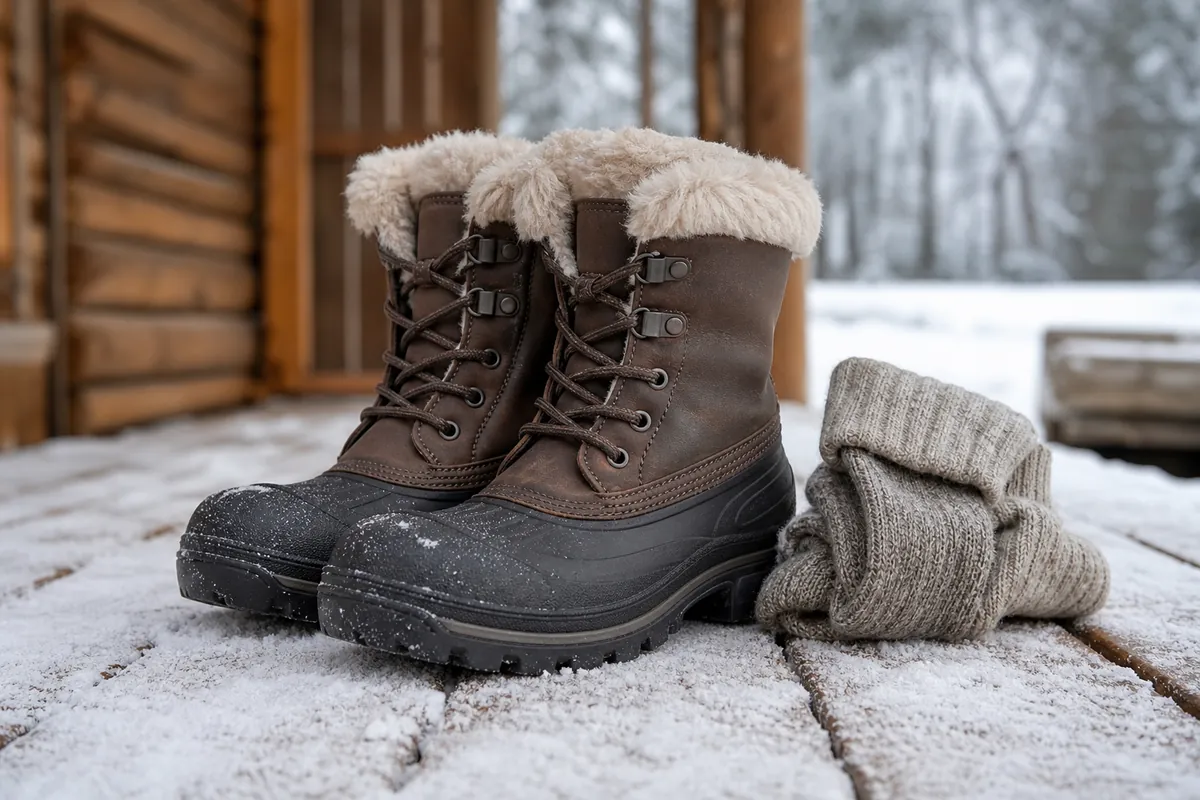
Winter boots should leave about half an inch in front of your toes and fit over the thickest socks you will wear, which usually means half a size to a full size up from your normal size. Keep the heel snug and lace without squeezing. Online advice to go two sizes up is more than most people need.
Winter boots should fit with room to spare, but not too much. For most adults that means about half a size to a full size bigger than your normal shoe, enough for thick socks, an insulated lining and a little air around the toes, while the heel stays snug. You will see advice online to buy one or even two sizes up, and that is more than most people need.
The reason winter boots fit differently is simple: warmth depends on trapped air and unrestricted blood flow, so a boot that squeezes your foot is a cold boot. Below is how to pick a size, what to test, and how to handle children whose feet outgrow boots in a season.
Why a tight winter boot is a cold boot
Insulation works by holding a layer of still air around the foot. Pack the foot in too tightly and you squash that layer, so the boot loses warmth. A tight boot can also restrict circulation, which makes cold toes more likely, not less. That is the reason winter boots are bought roomier than street shoes, even if the size feels loose in a warm shop.
The other side of the problem is a boot that is too big. A foot that slides around rubs, makes blisters and lets snow and cold air in through the gaps. The goal is room at the front, a held heel, and a boot that does not press on the top of the foot.
How much bigger than your usual size?
Some sources say you should always take one to two sizes up. We would not go that far as a general rule. Many adults find half a size up is enough in a boot with a modest lining, and a full size up is common in heavily insulated pac-style boots that you wear with thick wool socks. Two sizes is too much for most people, and it produces heel slip. Treat the number as a hypothesis, and decide with the boots on your feet.
The chart below shows how real foot length lines up with US women's sizes. Use the Foot length column as the actual length of your foot. A boot's inside length should be longer than that by the amount of toe room you need.
| US women's | UK | EU | Foot length (cm) | CM (JP) |
|---|---|---|---|---|
| 6 | 3.5 | 36.5 | 22.4 | 23 |
| 6.5 | 4 | 37.5 | 22.9 | 23.5 |
| 7 | 4.5 | 38 | 23.3 | 24 |
| 7.5 | 5 | 38.5 | 23.7 | 24.5 |
| 8 | 5.5 | 39 | 24.1 | 25 |
| 8.5 | 6 | 40 | 24.6 | 25.5 |
| 9 | 6.5 | 40.5 | 24.9 | 26 |
| 9.5 | 7 | 41 | 25.4 | 26.5 |
| 10 | 7.5 | 42 | 25.9 | 27 |
For example, a 24.1 cm foot is a women's US 8. In a lightly insulated boot, a size 8.5 may be right, and in a heavily insulated boot, a size 9 may feel better with thick socks. For men's sizing, see the shoe size chart.
Test with the thickest sock you will wear
Bring the socks. A medium-cushion wool sock is a common test sock, and a thick wool sock can use up half a size or more. If you plan to wear a liner under a heavy sock, try both together. Merino wool is a common choice because it keeps its warmth and handles moisture better than cotton, which holds sweat and chills.
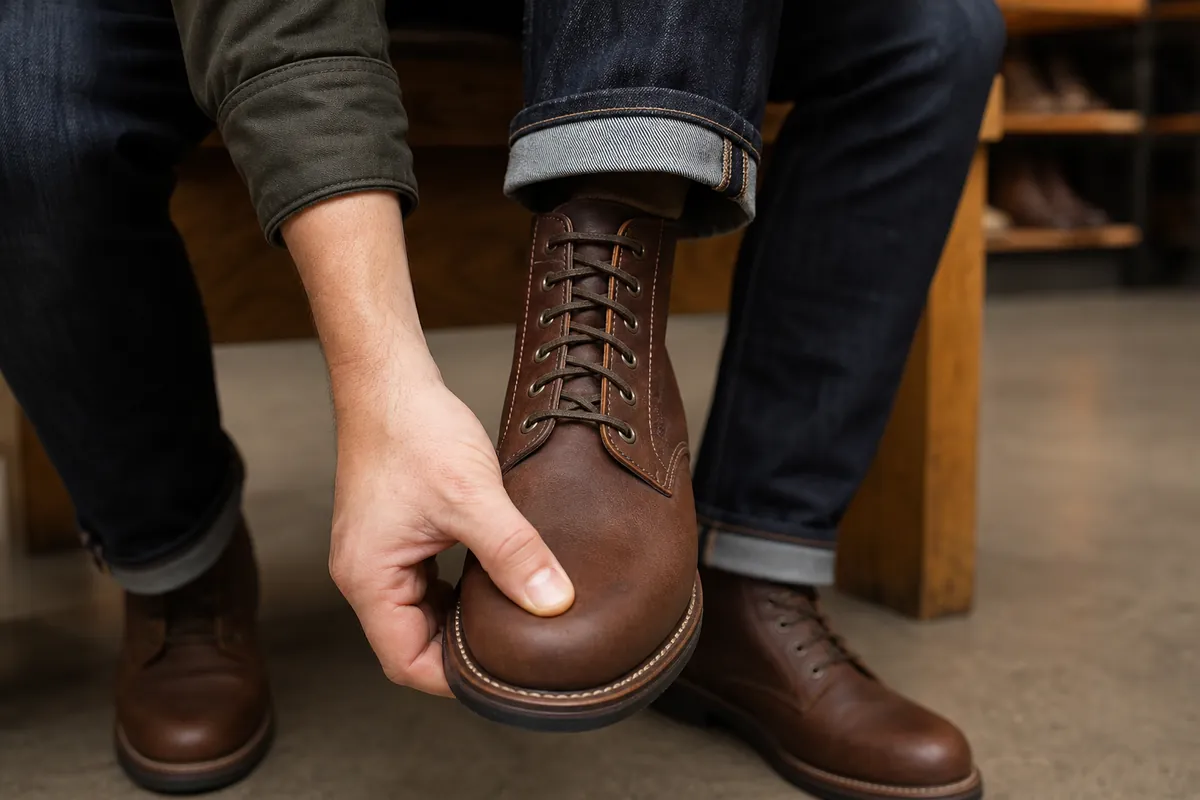
When you try the boot on, you should be able to wiggle your toes freely. About half an inch in front of the longest toe is a good target, and a little more is fine in a very warm boot. Your heel should stay put when you walk. If the heel lifts, the boot is too big or the wrong shape for your foot, and a thicker sock will not solve it for long.
Fit tip: Lace the boot snugly, not tightly. Laces that are cinched hard across the top of the foot can reduce circulation, and cold feet are often the result of this, not of a lack of insulation.
Insoles, liners and insulation
Removable liners and insoles take up room. If you plan to add a warmer or more supportive insole, test the boot with it installed, and leave space for it. In a boot with a built-in felt or fleece liner, the thickness of that liner is already part of the fit, so a size that looks big on the tag may be right once the liner is in.
Waterproof membranes and rubber lowers do not breathe as well as leather, and sweat is a leading cause of cold feet. A roomier fit helps the air move, and fresh dry socks in your bag help even more. If you use orthotics, take them with you and try the boot with them in place, because they reduce volume across the instep.
Heel, instep and ankle
Winter boots are taller and stiffer than shoes, and the fit at the ankle matters. The heel should be held, and the collar should close around the ankle without pressing on the bone. Adjustable features are helpful: laces, straps, a drawcord or a zipper let you tighten the boot over thick socks and loosen it over thin ones. A boot with no adjustment has to fit exactly right from the start.
Many winter boots have a rigid sole, so there is not much flex at the ball of the foot. If the sole is stiff, the boot may feel as though it lifts at the heel when you walk. That is normal in small amounts. Ask whether the heel moves more than a finger's thickness, and whether your toes press the front when you walk downhill or down stairs.
Kids' winter boots
Children's feet grow quickly, and parents often buy a size up to get a second winter. A small allowance helps, but too much room is not a bargain. A boot that is too big makes a child trip and gets snow in. The practical approach is about half a size up, or a thumb's width of room at the toe with the thick winter socks on, and a snug heel.
- Check the fit every season, and again mid-season if your child is growing quickly, since toes can curl without complaint.
- Choose boots with adjustable closures so you can fit the boot to thick socks.
- Have your child stand with their weight on both feet, since feet spread when loaded.
- Do not hand down boots that have collapsed, because the shape and the insulation wear out.
Children's sizing varies by brand, so check the maker's chart and measure your child's feet. Our guide on how to measure feet works for kids too.
Break-in and the indoor test
Wear new winter boots indoors for half an hour to an hour with the socks you will wear outside, and climb some stairs. You are looking for pressure points, a heel that rises and toes that touch the front. This is also the time to return them if you need to, so keep the packaging and do not wear them outside first. Our general advice in how should boots fit covers the checks that apply to any boot.
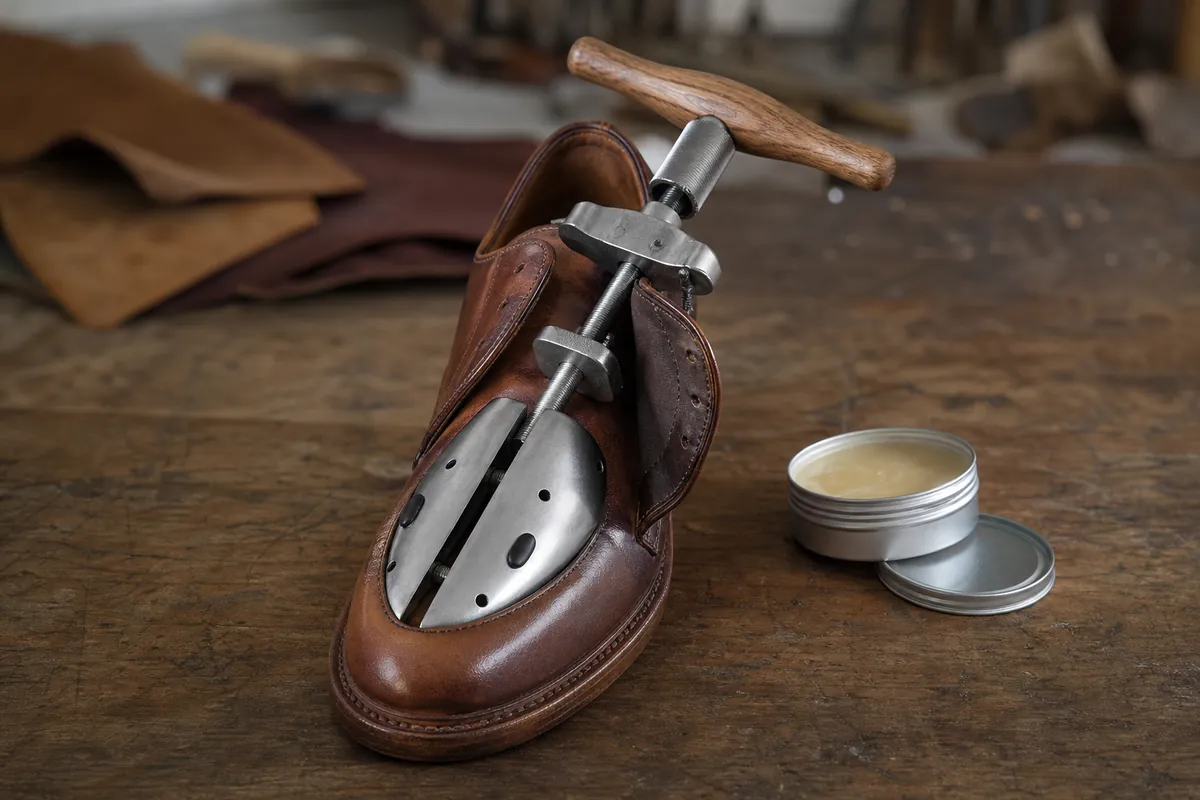
Leather winter boots soften with wear, while rubber and synthetic uppers change very little. That means if a rubber-and-felt boot is too tight at the forefoot in the shop, it will probably remain so. If a boot is a little snug only at the ball, stretching or a different width may help, as described in how to stretch shoes.
Width and wide feet
Winter boots often have a generous toe box, but not always. Narrow insulated models can feel tight across the ball of the foot in thick socks. If you have wide feet, look for boots sold in wide widths, or models that are known for a roomy shape. Our shoe width chart explains the letters. Going up a full size for width can make the heel slip, so try the wider width first.
Cold-weather conditions that change the fit
Snow, slush and long days outdoors add their own demands. Standing still in the cold is harder on the feet than walking, so if you spend hours at a bus stop, a rink or a ski hill, give yourself a little more room and a warmer sock rather than a tighter boot. Wet socks lose most of their insulation, so a boot that lets moisture out, plus a spare pair of dry socks, will do more for warmth than an extra half size. If you walk on ice, a snug heel and a firm ankle matter for balance, so do not trade them away for toe room.
Quick checklist
- Shop in the afternoon, and bring your thickest winter socks.
- Check for about half an inch at the toe, and free movement for the toes.
- Check the heel, which should stay put when you walk.
- Test with any insole or orthotic you plan to use.
- Lace snugly and walk around for several minutes, including on stairs.
- For children, check the toe space with the real socks and again every season.
Bottom line
Buy winter boots about half a size up to a full size up from your usual size, and not more unless the boot is very heavily insulated and you wear very thick socks. Test with the socks you will use, keep the heel snug, and lace without squeezing. Warmth comes from trapped air, so a boot that crushes your foot is working against you.
Frequently asked questions
Should winter boots be a size bigger?
Usually half a size to a full size bigger than your normal shoe, to make room for thick socks and insulation. Some sources say one to two sizes, but that often causes heel slip. Test with your real socks.
Why do tight winter boots make feet cold?
Insulation works by trapping still air, and a tight boot squashes it. Snug boots can also restrict circulation. Cold toes in a tight boot are common, so leave room for the toes to move and the socks to stay fluffy.
How much toe room should winter boots have?
About half an inch in front of the longest toe, with the thick winter socks on, and room to wiggle your toes. A heel that stays put matters as much, because too much room all over makes the boot slide.
How should kids' winter boots fit?
About a thumb's width at the toe over thick socks, with a snug heel. A small allowance for growth helps, but too much room causes tripping and lets snow in. Check the fit every season and choose adjustable closures.
Do I need a different size if I add insoles to winter boots?
Yes, test the boot with the insole or orthotic in place. Extra insoles take up volume and can make a boot too tight, especially over the instep. Check toe room and top-of-foot pressure again.