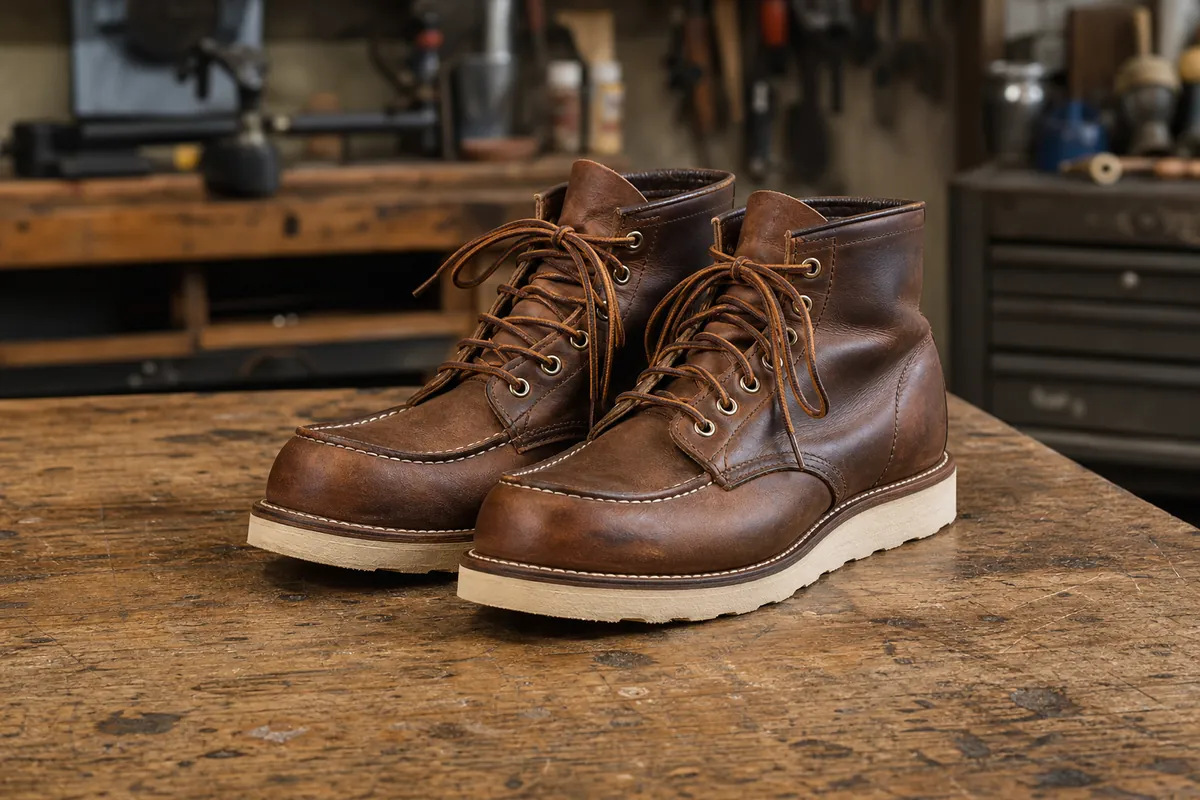
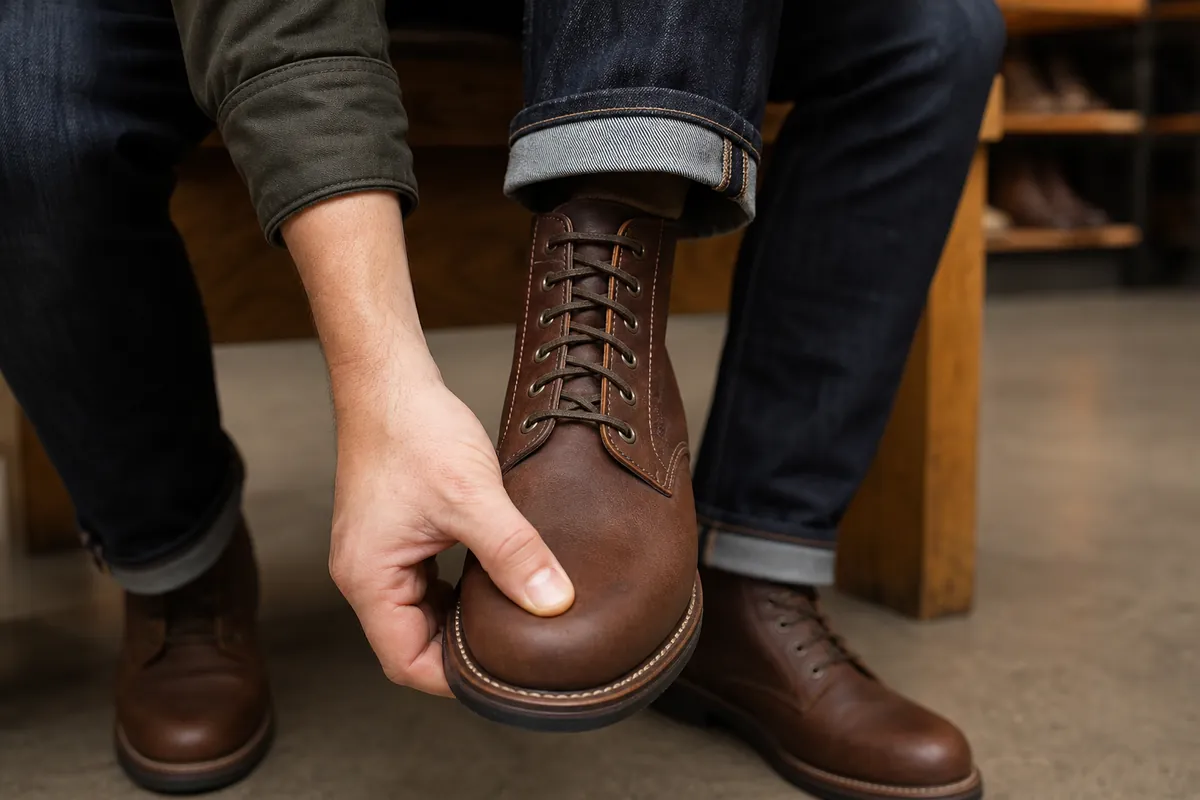
John Lofgren Sizing: Engineer, Combat and Donkey Puncher Fit
John Lofgren boots run large, so most owners go half a size below their Brannock size. Here is how the Engineer, Combat and Donkey Puncher lasts differ.
Quick answer
John Lofgren boots generally run large. The brand recommends going half a size down from your Brannock size, so a 9D Brannock usually becomes an 8.5D. This applies to the Engineer, Combat boot, Donkey Puncher and Champion sneaker. Do not go a full size down: the lasts have little give in length. The Engineer is tight to put on and not forgiving on wide feet.
- Fit
- Runs large
- Width
- Varies
- Our advice
- Go half a size down from your Brannock size. Never a full size down. Wide feet should be cautious with the Engineer.
John Lofgren boots run large, and the brand's own advice is to go half a size down from your Brannock size. That is the starting point for the Engineer, the Combat and the Donkey Puncher alike, though each sits on a different last and feels different once you are inside it.
The wrinkle is that Lofgren builds on more than a dozen lasts, so "my Lofgren size" can mean slightly different things from one model to the next. Below you will find which last sits under which boot, how to handle the notoriously tight Engineer pass-through, and how Lofgren lines up against Viberg, Truman, Thursday and Grant Stone.
The short rule, and where it bends
Take your Brannock size and subtract half a size. A Brannock 9D usually becomes an 8.5D. Owners who compare notes commonly land on that number for the Engineer, the Combat boot, the Donkey Puncher and even the Champion leather sneaker, which Lofgren says to size the same as its boots.
If you only know your sneaker size, treat it as a rough stand-in for the Brannock number and still go half a size down. Sneaker sizes drift by brand, so a measurement on a Brannock device is the safer anchor. Our guide on how to measure your feet covers the home method if you cannot get to a shop.
A full size down is the mistake to avoid. Owners report that these lasts have very little give in length. Leather molds and loosens across the width, but it will not grow longer, so toes that start out crushed tend to stay that way.
Which last sits under which boot
Lofgren numbers its lasts, and the width letter attached to each one matters as much as the number. The list below is drawn from the brand's published information and community write-ups, so check the product page for the exact last before you order.
| Last | Width | Models | Fit character |
|---|---|---|---|
| 110 | D | Wabash Engineer, Steadfast Chukka, Chelsea, Medallion Brogue Chelsea | Runs slightly large, squared toe, tight on wide feet |
| 120 | E | Donkey Puncher (and 8-inch version), Combat, Ludlow, Steel Gang | Roomier, more volume; Puncher version is snugger |
| 130 | D | Mohawk Moccasin | No specific fit notes collected |
| 140 | E | Monkey, Military Desert, USN Low Quarter, Sahara | E width |
| 150 | D | Glover Brogues | D width |
| 170 | D | Duke Roper | D width |
| 210 | D | El Captain | D width |
| 220 | D | Fieldmaster | D width |
| 250 | D | Montgomery | D width |
| 260 | D | Chapman, Munson, M-43 Service Shoes | D width |
The practical takeaway: if you wear a D and have a normal instep, most of the range is cut for you. If you sit between D and E, the 120 and 140 lasts are the ones with extra room built in.
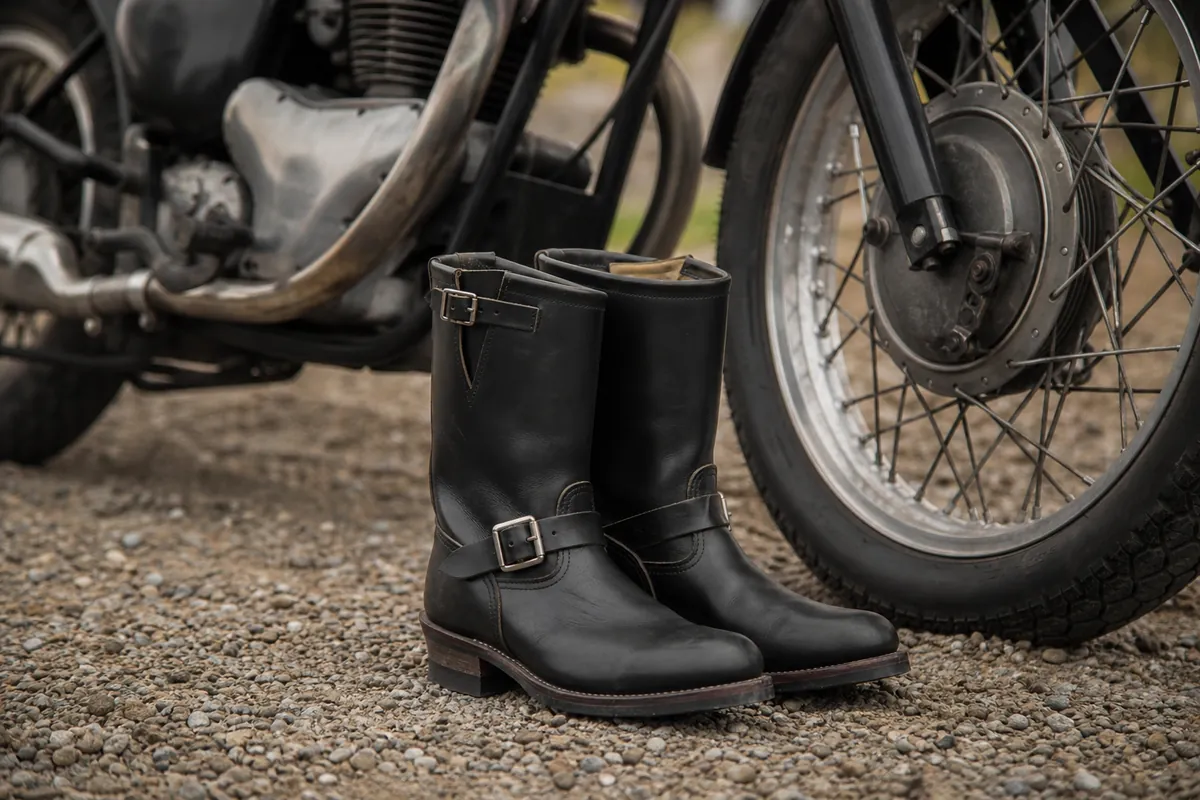
The Engineer: tight to get on, comfortable once it is on
The Wabash Engineer is the model people ask about most, and it is also the one that surprises first-time buyers. It sits on the 110 last, which owners describe as slightly large in length yet not forgiving in width. If your foot is wide or your instep is high, the vamp can feel firm.
The boot is laceless, so there is no tightening the instep after the fact. Fit depends on the heel and the adjustable buckles. One owner who measures a Brannock 9D found an 8D too tight through the instep and settled on an 8.5D, which is the half-size-down rule working as intended. Low-volume feet may find the vamp roomy, and the buckles can help take up slack.
Getting your foot through the shaft
Expect a struggle the first several times. The pass-through is narrow, the heel counter is stiff, and horsehide grips a sock like sandpaper. One owner reported about twenty minutes to get the boots on at first, and around five minutes after the leather had loosened.
The common trick, which a well-known stockist also recommends, is a plastic grocery bag pulled over the foot so it slides down, plus a long shoehorn. It works. Once the boot is broken in, heel slip is typically minimal.
Fit tip: Judge the Engineer by the second or third week, not the first afternoon. Tightness across the instep that eases is normal, but a toe that hits the end of the boot is a sign you are a half size too small.
Combat boots and Donkey Punchers on the 120 last
The Combat boot is laced, which makes it easier to put on and easier to adjust. The 120 last is an E width with noticeably more room and volume than the Engineer's 110. One owner with a 9D Brannock wears an 8.5D here as well, though they said they would have liked a slightly lower-volume boot.
The Donkey Puncher uses the same 120 number but an updated 2023 version of the last, with less volume through the instep and forefoot. Owners report a snugger feel than the Combat without heel lift. The same owner suggests that a Combat in size 8 will probably correspond to a Donkey Puncher in 8.5, so do not assume that the two share a size just because they share a last number.
High insteps may meet resistance on the first wears. The leather softens after a few outings, and the Combat is generally considered quicker to break in than the Engineer because of the tongue and laces.
Champion sneakers
Lofgren's leather sneaker is the one place where people hesitate, since sneaker sizing habits tempt you to go up. The brand says to take the same size as in its boots, and one owner confirms an 8.5 in both the Engineers and the Champions. The leather upper looks narrower than canvas, though it does not feel tight once worn.
If you are between sizes, go smaller, especially if you plan to wear thin socks or none.
How Lofgren compares with other brands
Cross-brand advice is a rough guide, since lasts change from model to model, but these comparisons come up repeatedly among owners.
- Red Wing Iron Ranger: sizing is described as very similar. See our Red Wing sizing guide if that is your reference.
- Viberg: one owner reports going half a size up from their Viberg size, because Lofgren fits slightly smaller overall. Viberg labels its boots in UK sizes, which run a full size below US. Read the Viberg label carefully before you convert. Our Viberg guide goes deeper.
- Truman: the same size in Engineers, though the roomier Truman 20 last in the toe may justify going half a size up if a Truman feels snug. Truman sizing is covered separately.
- Thursday: one owner wears an 8.5 in both, with consistent fit. Compare with the Thursday guide.
- Grant Stone: the same owner wears 8.5 in the Leo-last boots and 9 in the Coast sneakers, compared with 8.5 in Lofgren Champions. Grant Stone has its own guide.
These are single-owner reports rather than measured data, so treat them as hints, not conversions.
Width: D, E, and what to do in between
Lofgren states a width per last, and the choice is limited by the model. If you are a true D, the 110 and most of the D lasts are straightforward. If you are an E, the 120 and 140 lasts are the ones built for you. Wide-footed buyers considering an Engineer should be cautious, since the 110 is not forgiving and the boot cannot be laced out.
If you do not know your width, the shoe width chart explains how D, E and EE are labeled, and a Brannock device will tell you which letter you are.
Measuring properly before you order
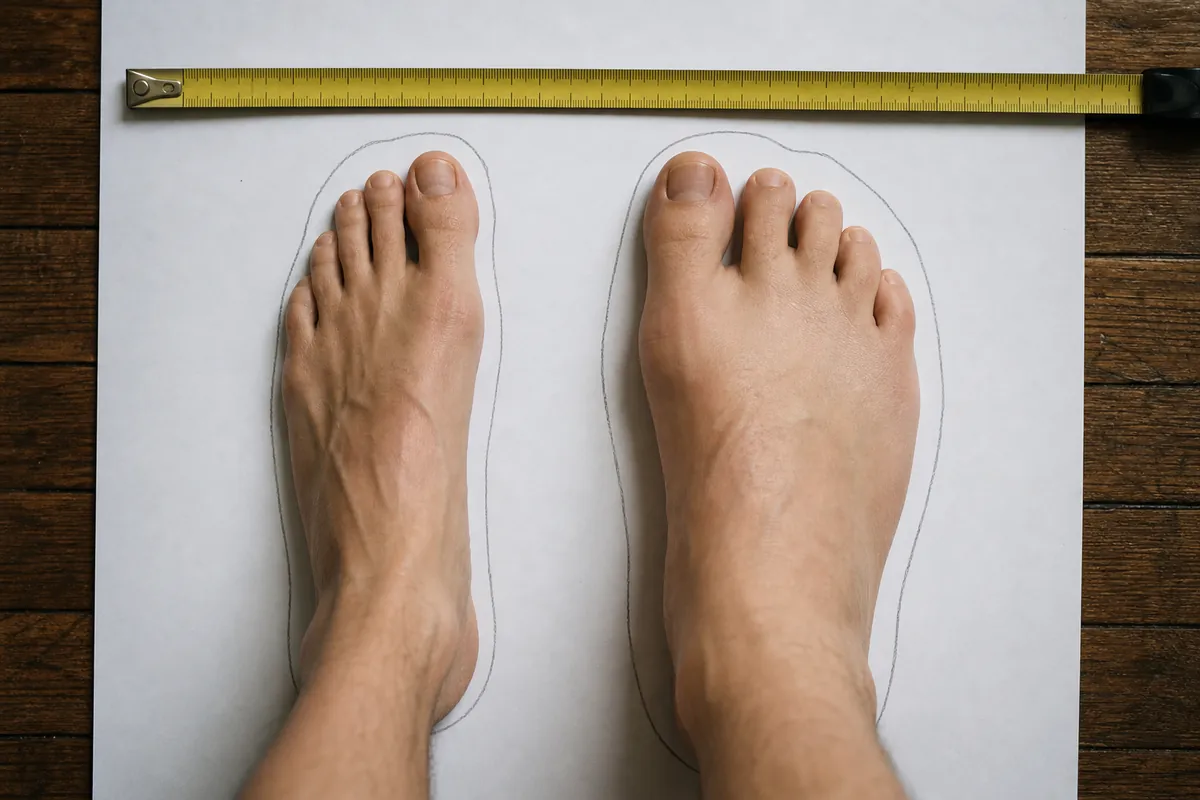
Handmade boots in structured leather punish a guess. Measure both feet, and use the larger one. Do it at the end of the day, when feet are slightly swollen, with weight spread evenly. A Brannock device, a professional fitting or a paper-tracing method will all work.
Think about socks too, since thick socks can make a structured boot feel tight. Lofgren's size chart pairs US and UK sizes from 6 / 5.5 up to 12 / 11.5. If you fall between sizes, go up for a roomier fit or thicker socks, or go down for a snugger boot if your instep allows it. Specialist stockists such as Standard and Strange and Self Edge are known for giving fit advice, which is worth using for a boot at this price.
Leather and break-in
Engineers use horsehide, which owners say does not stretch like cowhide and molds slowly. The Combat and Champion leathers soften with wear, and the Donkey Puncher loosens after a few wears. Heel slip at first is normal in stiff leather, but if your heel lifts a lot after a month, you may have gone too small in volume terms and not just length.
Leather stretches across the width far more than along the length. That is the strongest reason to keep your half-size-down rule and never go down a full size hoping for a stretch.
Our recommendation
Order half a size below your Brannock size on any Lofgren boot. Choose the Combat or Donkey Puncher on the 120 last if you want more room, and treat the Engineer as a boot that rewards a normal width and a low to medium instep. Check the last and width on each product page, and ask a stockist if you are between sizes. For general principles on toe room and heel hold, see how boots should fit.
Frequently asked questions
What size should I order in John Lofgren boots?
Start with half a size below your Brannock size. Someone who measures a 9D on the device usually orders an 8.5D. Lofgren's own advice matches this, and owners report it works across the Engineer, Combat boot and Donkey Puncher.
Why are John Lofgren Engineer boots so hard to put on?
The pass-through is narrow, the heel counter is stiff and horsehide grips socks at first. Owners use a plastic bag over the foot and a long shoehorn. Expect it to get much easier after a couple of weeks of wear.
Do Donkey Punchers fit the same as Combat boots?
Not exactly. Both use a 120-numbered last, but the Donkey Puncher uses an updated version with less instep and forefoot volume. One owner suggests a Combat 8 may match a Donkey Puncher 8.5.
Can I size down a full size in Lofgren boots?
It is not recommended. Owners say the lasts have little give in length, and leather stretches mainly in width. A full size down can crush the toes, and the leather will not grow longer to fix it.
Do Lofgren boots fit wide feet?
It depends on the last. The 110 used for Engineers is D width and not forgiving. The 120 and 140 lasts are E width, so Combat boots, Donkey Punchers and some military styles suit wider feet better.