Nike Air Max Sizing: Do Air Max Run Small or Big?
Air Max fit changes from model to model. Here's which ones fit true to size, which run narrow and need half a size up, and how they compare to other Nikes.
Quick answer
It depends on the model. The Air Max 1 and Air Max 90 fit true to size, so order your normal Nike size. The Air Max 95, 97, Air Max Plus and Air Max DN are true in length but narrow, so go half a size up if your feet are average or wide. The Air Max 90 Gore-Tex runs small.
- Fit
- Depends on the model
- Width
- Varies
- Our advice
- True to size in the Air Max 1, 90 and 270 React; half a size up in the 95, 97, Plus and DN if your feet are average or wide.
Nike Air Max shoes do not all fit the same. The classic Air Max 1 and Air Max 90 are true to size for most feet. The slimmer models, the Air Max 95, 97, Plus (TN) and DN, are true in length but narrow through the forefoot, so average and wide feet usually do better half a size up. A few models run clearly small or big.
The quickest way to get it right is to find your model in the groups below. If your Air Max is not listed, true to size is the safest starting point, with half a size up if you have wide feet.
Why Air Max sizing is so inconsistent
Air Max is a technology, not a single shoe. Each model in the line was designed in a different decade, on a different last, for a different purpose: the Air Max 1 was a 1987 running shoe, the 97 a sleek runner from the late '90s, the 270 and DN lifestyle shoes built around big heel units. Three design choices explain most of the fit differences:
- Heel height. Models with a tall heel unit, such as the 270, tilt your foot forward, so your toes sit closer to the front.
- Layered or welded uppers. The 95 and 97 use overlapping panels that do not stretch much, which narrows the forefoot.
- Knit and mesh uppers. Models like the Vapormax and Scorpion give a little, making a snug fit feel more forgiving.
Release history adds another layer. Nike periodically updates the shape of its classics, so a 2010s Air Max 95 and a current pair can fit differently even though they look almost identical. If you are buying an older pair on resale, expect the older, snugger fit; if you are buying new, recent wearer feedback is more useful than reputations formed years ago.
The Air Max fit table
| Model | Fit | What to order |
|---|---|---|
| Air Max 1 | True to size | Your size; half up for wide feet |
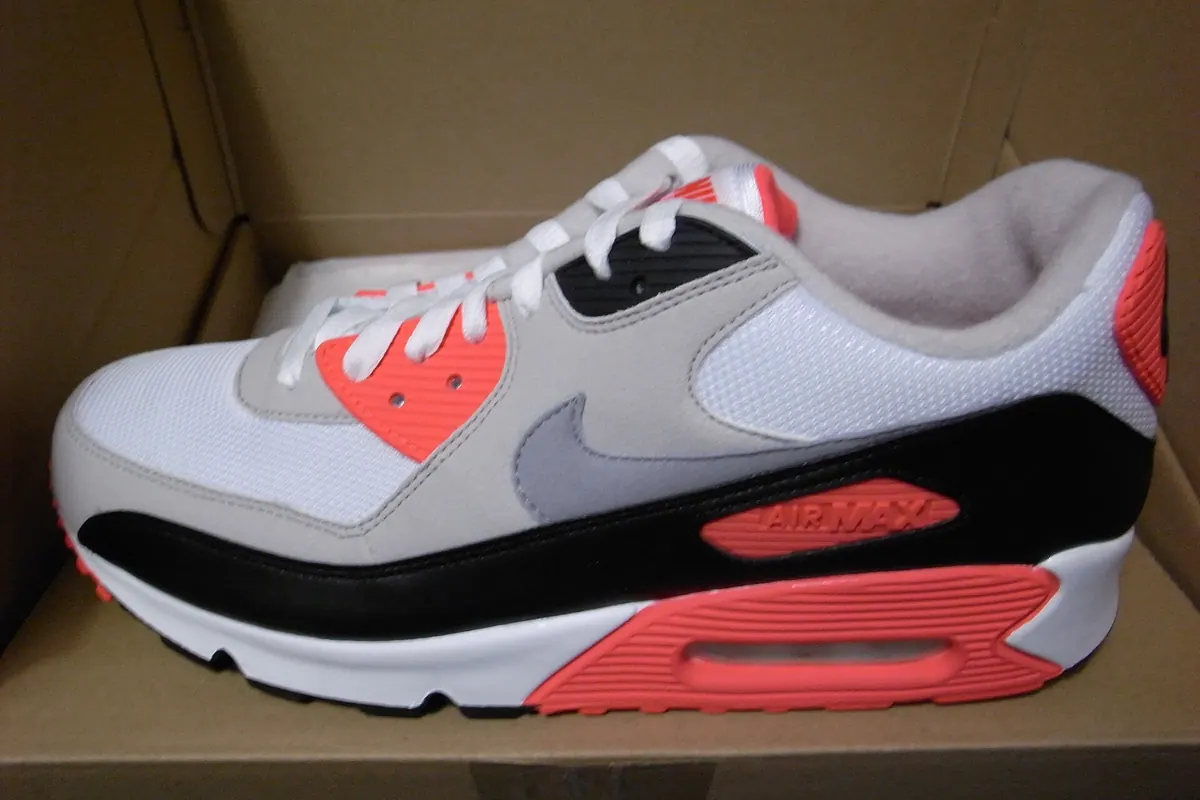
| Air Max 90 | True to size | Your size |
| Air Max 90 Gore-Tex | Runs small | Half up |
| Air Max 95 | Snug, narrow (older pairs) | Half up for average and wide feet |
| Air Max 97 | True length, narrow | Your size if narrow; half up if wide |
| Air Max Plus (TN) | Slightly narrow | Your size; half up for wide feet |
| Air Max 270 | Mixed reports | Your size |
| Air Max 270 React | True to size, forgiving | Your size |
| Air Max DN | True length, narrow toe box | Half up for wide feet |
| Vapormax | True to size, sock-like | Your size |
The forgiving ones: Air Max 1, 90 and friends
Air Max 1
The Air Max 1 fits true to size for most people, with a balanced shape from heel to toe. Wide feet may want half a size up for extra room around the toes and lace area, especially on versions with thicker materials such as suede, corduroy or premium leather, which do not stretch much. Narrow and average feet should stay at their true size.
Air Max 90
The Air Max 90 is probably the easiest Air Max to size. Current releases use a slightly updated shape that most wearers find true to size, with enough width for average and slightly wide feet. The one exception is the Gore-Tex version: the waterproof upper is stiffer and tighter, and the common advice is half a size up.
Other true-to-size options
The Air Max 270 React, Air Max Scorpion and Air Max 200 all fit true to size for most feet. The Scorpion's knit upper stretches slightly, so even wide feet can usually start with their normal size.
The slim ones: 95, 97, Plus and DN
Air Max 95
The 95 has a long reputation as one of the narrowest Air Max models, with a layered upper that presses on the sides of the forefoot. For older and standard releases, half a size up is the usual advice unless your feet are narrow. Some newer releases, including the "Big Bubble" versions, have a more relaxed shape and fit closer to true size, so check feedback on the specific pair before automatically going up.
Air Max 97
The 97 is true to size in length, but its sleek profile makes it feel narrow when you first put it on. Narrow and average feet are fine at their normal size. Wide feet should go half up. A full size up is too much, because the extra length leads to heel slip.
Air Max Plus (TN)
The TN is slightly narrow through the sides but true in length. Most people can stay at their true size, and some find recent pairs roomy enough that they could even go half down. Wide feet should go half up, as the overlays do not give much.
Air Max DN
The DN has true-to-size length, but the toe box is narrow and shallow. Narrow and average feet can stay at their size. Slightly wide and wide feet should go half up. Its sibling, the DN8, is even narrower, and some very wide feet may not get comfortable in it at any size.
Fit tip: With slim Air Max models, the problem is almost always width, not length. If your true size feels tight at the sides but your toes have room at the front, half a size up is right. If your toes also touch the front at your true size, go half up and recheck the width, or switch to a roomier model such as the Air Max 90.
The odd ones out
Air Max 270: where sources disagree
The 270 is a good example of why Air Max advice can be confusing. Some wearers find it has extra length and size down, while others say the tall heel pushes the foot forward and the forefoot feels narrow, and size up. With reports going both ways, true to size is the safest order. If your feet are wide, lean toward half up; if they are narrow, lean toward your normal size.
Vapormax
The Vapormax fits true to size with a close, sock-like feel. It leans narrow through the midfoot, but the knit stretches. Don't size up much, as the shoe can feel loose and unstable if it is too big. Wide feet can try half up, knowing it may lose some of that sock-like fit.
Models that run small or big
- Air Max Solo: commonly reported as short and tight. Half a size up is the minimum; very wide feet may need more.
- Air Max Excee and Air Max Pulse: narrow up front. True to size for narrow feet, half up for average to wide.
- Air Max 720: true to size but snug at first.
- Full-size-only models: a few Air Max styles come in whole sizes only. If you normally wear a half size, go up to the next whole size.
Wide feet in Air Max
Air Max models are made in Nike's standard width, so wide feet need to choose models carefully. The friendliest are the Air Max 90, Air Max 1 at half up, the 270 React and the Scorpion. The 95, 97, Plus and DN usually need half a size up, and the DN8 may not work at all. If you are not sure how wide your feet are, our shoe width chart explains the codes and how to check.
If you use custom orthotics or a thicker insole, add that to the equation. A supportive aftermarket insole is usually thicker than the stock one and takes up volume, and in a slim model like the 97 that can be the difference between comfortable and cramped. In that case, half a size up is sensible even for average feet.
For narrow feet, almost every Air Max works at true size, and the slim models will feel natural rather than tight.
Air Max vs other Nike shoes
If you already know your size in other Nikes, use it as an anchor:
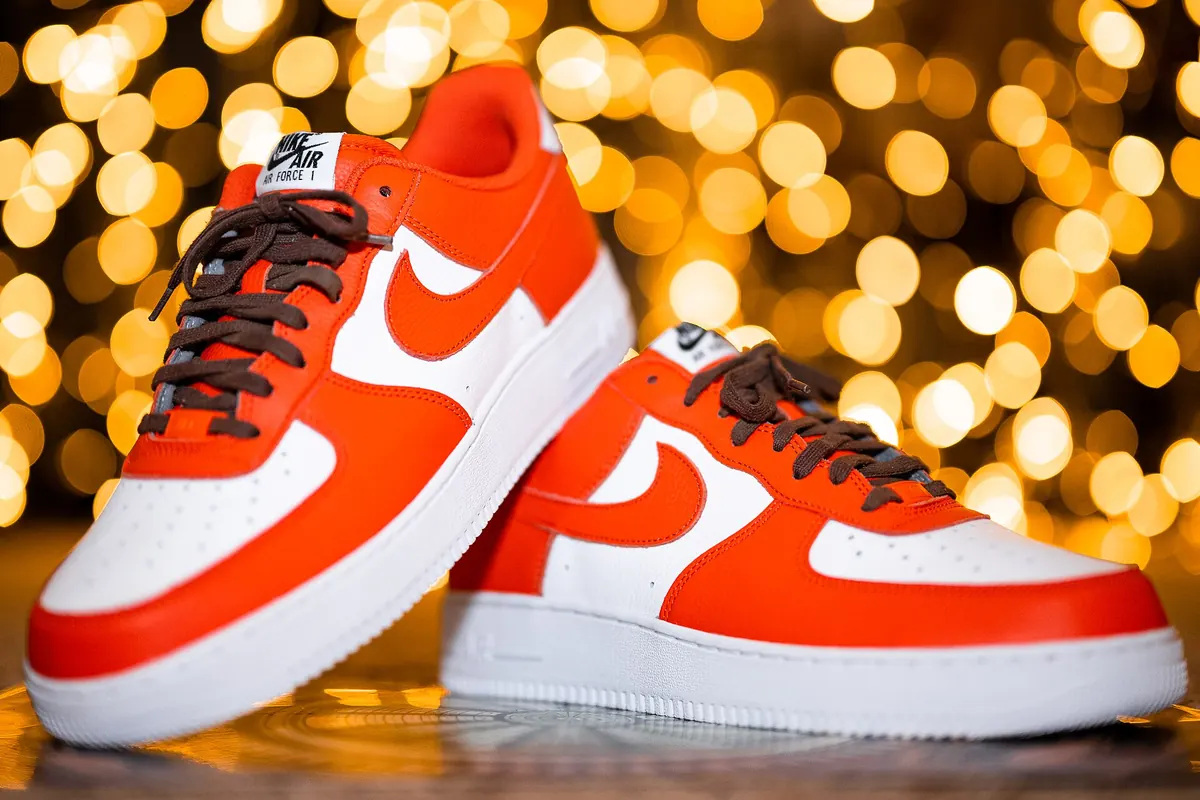
- Air Force 1: runs about half a size big. If you wear a 9.5 in AF1s, your Air Max 90 size is likely a 10. See our Air Force 1 sizing guide.
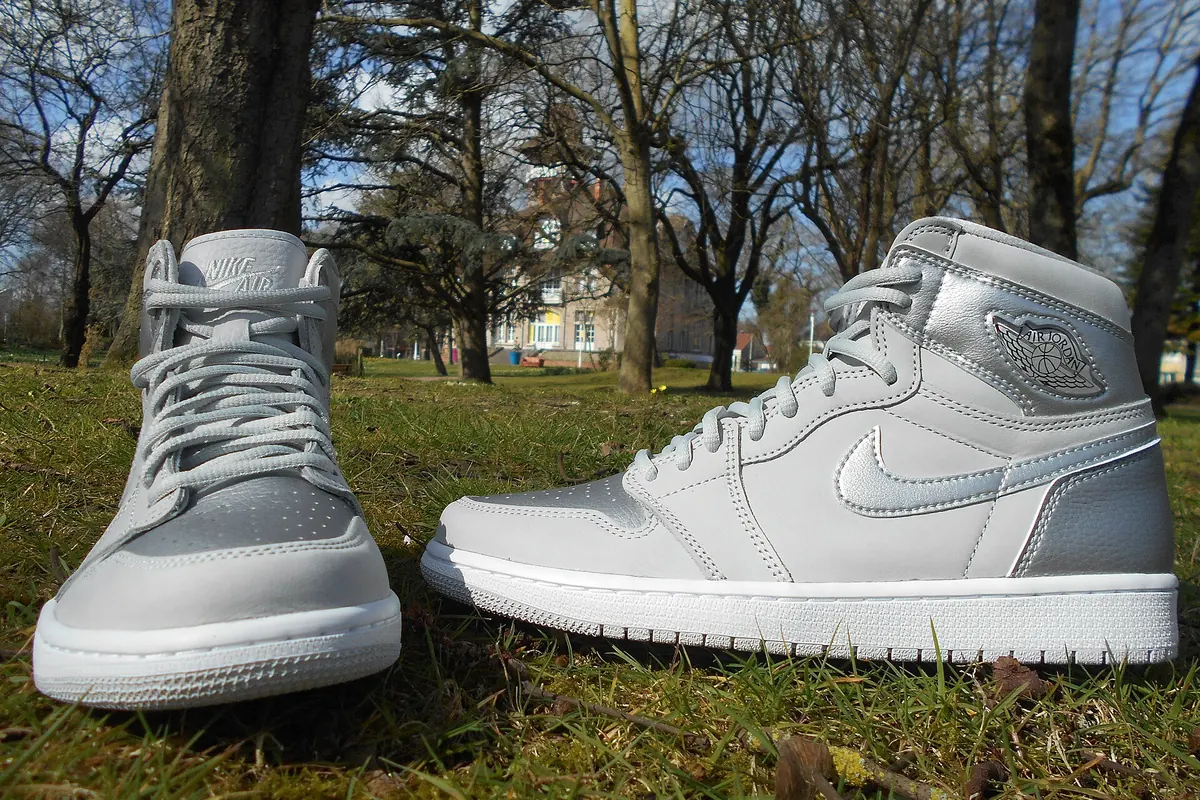
- Dunk and Jordan 1: both true to size, so the same number as your Air Max 1 or 90. Slim models (95, 97, DN) may need half up.
- Running shoes: the Pegasus and Vomero fit like the Air Max 90. If you wear the same Nike size in both, it carries over.
Our main Nike sizing guide puts all of these side by side.
Women's and men's Air Max sizes
Air Max models follow the usual Nike conversion: women's sizes are 1.5 larger than men's. A men's 8 is a women's 9.5, and both carry the label EU 41 on Nike's charts. To convert, add 1.5 to go from men's to women's and subtract 1.5 to go back. Then apply the model's fit rule.
Some popular Air Max colorways release in women's sizing only, so the conversion comes up often. A men's 10 buying a women's-only Air Max 97 would order a women's 11.5, then go up half if their feet are wide.
Nike Air Max size chart
Air Max models use Nike's standard chart. Measure your foot, find the length in the right-hand column and read across. Our foot measuring guide walks through it.
| US men's | UK | EU | Foot length (cm) |
|---|---|---|---|
| 6 | 5.5 | 38.5 | 24 |
| 6.5 | 6 | 39 | 24.5 |
| 7 | 6 | 40 | 25 |
| 7.5 | 6.5 | 40.5 | 25.5 |
| 8 | 7 | 41 | 26 |
| 8.5 | 7.5 | 42 | 26.5 |
| 9 | 8 | 42.5 | 27 |
| 9.5 | 8.5 | 43 | 27.5 |
| 10 | 9 | 44 | 28 |
| 10.5 | 9.5 | 44.5 | 28.5 |
| 11 | 10 | 45 | 29 |
| 11.5 | 10.5 | 45.5 | 29.5 |
| 12 | 11 | 46 | 30 |
| 12.5 | 11.5 | 47 | 30.5 |
| 13 | 12 | 47.5 | 31 |
| 14 | 13 | 48.5 | 32 |
| 15 | 14 | 49.5 | 33 |
| US women's | UK | EU | Foot length (cm) |
|---|---|---|---|
| 5 | 2.5 | 35.5 | 22 |
| 5.5 | 3 | 36 | 22.5 |
| 6 | 3.5 | 36.5 | 23 |
| 6.5 | 4 | 37.5 | 23.5 |
| 7 | 4.5 | 38 | 24 |
| 7.5 | 5 | 38.5 | 24.5 |
| 8 | 5.5 | 39 | 25 |
| 8.5 | 6 | 40 | 25.5 |
| 9 | 6.5 | 40.5 | 26 |
| 9.5 | 7 | 41 | 26.5 |
| 10 | 7.5 | 42 | 27 |
| 10.5 | 8 | 42.5 | 27.5 |
| 11 | 8.5 | 43 | 28 |
| 12 | 9.5 | 44.5 | 29 |
Note: If your foot length falls between two sizes, choose the larger one for slim models (95, 97, Plus, DN) and the smaller one only if the model is known to be roomy.
What size Air Max to order
Start with your measured Nike size. Keep it for the Air Max 1, 90, 270 React, Scorpion, Vapormax and most of the 270. Go half a size up in the Air Max 95, 97, Plus and DN if your feet are average or wide, and half up in the Air Max 90 Gore-Tex and Solo for everyone.
When you are not sure, check the model's group above. Forgiving models reward your true size; slim models reward half up. And when reports disagree, true to size is the safest choice.
Frequently asked questions
Do Air Max 90s run true to size?
Yes. The Air Max 90 is one of the most reliable fits in the Air Max line, with a balanced shape and enough width for average and slightly wide feet. Order your normal Nike size. The exception is the Gore-Tex version, whose stiffer waterproof upper fits tighter, so most people go half a size up.
Should I size up in Air Max 97s?
Only if your feet are average to wide. The Air Max 97 is true to size in length, but its layered upper makes the forefoot narrow. Narrow feet are fine at their normal size. Wide feet should go half up. Avoid going a full size up, as the extra length tends to cause heel slip.
Do Air Max 95s still run small?
Older and standard Air Max 95s are known for a narrow, snug forefoot, and half a size up is the usual advice unless your feet are narrow. Some newer releases, such as the Big Bubble versions, have a roomier shape that fits closer to true size, so check feedback on the specific release before sizing up.
Do Air Max 270s run big or small?
Reports are split. Some wearers find the 270 long enough to size down, while others say the tall heel unit pushes the foot forward and makes the forefoot feel tight. With mixed feedback, your true size is the safest order. Wide feet can lean toward half a size up.
Is the Air Max Plus (TN) narrow?
Slightly. The TN is true to size in length, and most people wear their normal Nike size, but the overlays along the sides do not stretch much. If you have wide feet, half a size up gives your forefoot more room. Narrow feet will find the fit secure at their true size.